Is a Hair Transplant Painful? Minimising Discomfort During and After Your Procedure
Scrolling through images or videos of hair transplants online often brings up the same visual cues: a donor area marked with tiny red dots, scabs lining a newly shaped hairline, and close-ups of a scalp mid-procedure. It is not difficult to see why these visuals can make the process look intimidating. For many people already feeling worn down by hair thinning or ongoing shedding, this kind of imagery can quickly turn curiosity into anxiety.
If you are considering a hair transplant but worried about pain, you are far from alone. It is one of the most common concerns people raise before taking the next step, and it is also a reasonable one.
Any procedure involving the scalp invites questions about discomfort, recovery, and what it will actually feel like. So before looking at techniques or outcomes, it helps to address the question directly: where does discomfort associated with a hair transplant actually come into the picture?
Addressing the Concern: Does the Surgery Cause Pain?
Once you move past the images and assumptions, what most people want to know is what the experience actually feels like in real time.
At Sage Medical, hair transplants are carried out under local anaesthesia, which numbs the scalp before any work begins. Because the area is fully desensitised, most patients generally experience little to no pain during the surgery itself. Any discomfort is usually confined to the very beginning, when the anaesthetic is administered. After that, the rest of the session is generally physically manageable, with sensations like light pressure related to contact or movement.
Once the anaesthetic wears off, some tenderness or a feeling of tightness across the scalp can occur. This early recovery discomfort is typically mild and can usually be addressed with prescribed pain relief.
Exploring the Main Transplant Methods
Discomfort aside, what often shapes a person’s overall experience during a hair transplant is the technique used to move follicles from the donor area to thinning regions.
In surgical hair restoration commonly carried out today, two established methods tend to be used, and both aim to reposition healthy follicles into areas of reduced density, following planned angles and growth direction.
- FUE (Follicular Unit Extraction): FUE involves removing hair follicles from the donor area, usually at the back or sides of the scalp. Each follicle is individually extracted and then implanted into the recipient zones. Because this approach works at the follicle level, the donor area heals through many small sites rather than a single incision.
- FUT (Follicular Unit Transplantation): FUT uses a strip-based approach. A narrow section of scalp is taken from the donor area, and follicles are then carefully separated from this tissue before being implanted into thinning areas. Healing is concentrated along the donor strip site, while the transplanted follicles are placed according to the planned hairline and density pattern.
Managing Comfort During the Hair TransplantProcedure
As mentioned, local anaesthetic is introduced in small amounts across both the donor and transplant areas. These injections can cause brief pinching or stinging sensations. For most, this is the most noticeable part of the process, and the sensation typically fades as the scalp becomes desensitised.
- Local anaesthetic administration: The medication is administered gradually to ensure even coverage across the scalp. Once the anaesthetic takes effect, pain signals from the scalp are blocked.
- Pressure and tugging sensations: As hair follicles are extracted and implanted, some people notice mild pressure, tapping, or a pulling feeling. These are mechanical sensations, and awareness of the movement is normal, but the numbed scalp should generally prevent any sharp or distressing discomfort during this phase.
Post-Operative Sensations: Pain Management After a Hair Transplant
Once you are home and the local anaesthetic gradually wears off, it is normal for new sensations to emerge.
Most people first notice a mild tightness, tenderness, or sensitivity across the treated areas, particularly around the donor zone at the back or sides of the scalp. This shift can feel unfamiliar, but it is generally part of the skin settling after a concentrated period of graft work. The scalp may also feel sore to the touch, slightly warm, or mildly swollen, with redness.
How long this phase lasts varies. Some people may feel comfortable within a couple of days, while others notice lingering sensitivity for a week or more, especially when a larger number of grafts have been placed.
To support this, post-procedure care may include:
- Mild painkillers: These are provided to keep soreness manageable and help you rest comfortably, particularly during the first nights.
- Medication to reduce swelling: Anti-inflammatory support may be recommended to limit puffiness around the scalp or forehead as the skin settles.
- Antibiotics: In some cases, antibiotics may be prescribed to reduce the risk of infection while the scalp surface is healing.
Long-Term Outlook: Does Pain Affect Results?
So if soreness, swelling, and tightness are part of the process, does that mean the pain may have an impact on whether your hair transplant will ultimately take?
For most people, the discomfort experienced in the days after a hair transplant has no bearing on how the transplanted follicles perform over time. This is because temporary soreness reflects the scalp’s surface healing response, not the viability of the grafts themselves. As long as aftercare guidance is followed, short-term tenderness will not interfere with follicle survival or future hair growth.
Is Long-Term Pain a Concern?
But what if discomfort does not fade in the way it usually does?
While short-term tenderness is part of normal healing, persistent or worsening pain weeks after a hair transplant is uncommon. For most people, scalp sensitivity continues to settle as the skin repairs itself, without developing into anything long-lasting.
However, if soreness, heat, or tenderness continues beyond a week or two, it is important to contact your hair transplant surgeon rather than waiting it out. Ongoing symptoms can occasionally signal complications such as irritated tissue or infected grafts.
Other Post-Procedure Side Effects to Anticipate
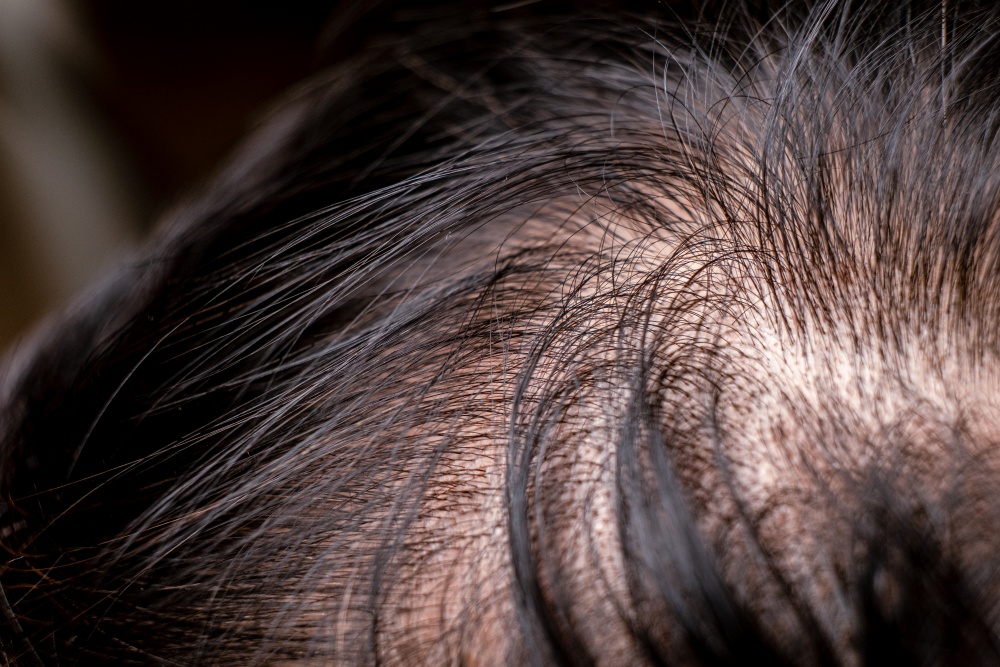
Pain and discomfort aside, the scalp still goes through a number of visible and sensory changes as the grafts settle and the skin surface renews itself. These side effects of hair transplants are usually temporary, but they can be surprising if you are not expecting them.
You may notice:
- Crusting around the grafts: Small scabs often form where follicles were placed. These typically dry, loosen, and fall away naturally within a couple of days as the skin regenerates.
- Temporary numbness or itching: Areas of reduced sensation, tingling, or itchiness can occur as nerve endings recover and the scalp heals.
- Swelling: Mild swelling may appear around the scalp or forehead before gradually resolving as fluid levels normalise.
- Minimal bleeding: Light spotting can happen in the first few days, especially if graft sites are accidentally disturbed.
- Infection (rare): Increasing redness, discharge, or spreading warmth is uncommon but should always be assessed promptly if it occurs.
Consider a Hair Restoration Journey
If you are considering a hair transplant, a consultation is where your individual situation can be properly assessed. At Sage Medical, this appointment focuses on understanding your pattern of hair loss, scalp condition, medical history, and expectations, before discussing whether an FUE hair transplant may be suitable.
As a hair transplant clinic in Singapore, Sage Medical approaches hair restoration through structured evaluation. This session also allows you to raise concerns about recovery, discomfort, and long-term outlook, so any decision is guided by medical context.