Can You Go Bald After a Hair Transplant? Understanding Post-Procedure Hair Changes
A hair transplant is often viewed as a turning point in the fight against hair loss. After all, if thinning areas have been restored, it is easy to assume that baldness is no longer part of the picture. This belief leads many to ask a seemingly straightforward question: once you have had a hair transplant, can you still go bald?
Part of the confusion lies in how baldness itself is understood. In most cases, baldness refers to ongoing hair loss from the scalp, commonly driven by hereditary patterns that progress over time. A hair transplant works by relocating hair to specific areas where thinning has already occurred. It does not change how the rest of the scalp responds, nor does it alter the underlying causes of hair loss elsewhere.
So if a transplant restores hair in one area, does it actually prevent baldness from happening again
Initial Shedding: Is It Normal to Lose Hair Immediately After a Transplant?
For many people, one of the most unsettling moments after a hair transplant happens weeks later, when newly transplanted hairs begin to fall out, especially when the procedure was meant to address thinning in the first place. However, this early shedding, known as shock loss, is a recognised and expected response following hair restoration. It occurs when transplanted follicles, along with some surrounding hairs, temporarily enter a resting phase after the physical stress of surgery.
In fact, according to the American Academy of Dermatology Association, it is common for transplanted hair to shed between two and eight weeks after the procedure, with thinning often becoming more noticeable by around the third month. While this can feel discouraging, it is temporary. Once the scalp settles, the follicles gradually re-enter the growth phase and begin producing new hair over the months that follow.
Analysing the Factors Behind Post-Transplant Hair Loss
While early shedding is often expected, not all post-transplant hair loss has the same cause. Some are temporary responses to surgery, while others relate to planning or even ongoing hair loss patterns beyond the transplanted area.
1. Temporary Shedding (Shock Loss)
Shock loss occurs when transplanted follicles, along with nearby native hairs, briefly pause hair production after surgical stress. During a hair transplant, the act of extracting and re-implanting follicles, combined with local anaesthetic injections and tiny incisions, can disrupt the follicles’ normal growth cycle. This disruption can prompt the follicles to shift into a resting phase, causing the attached hair shafts to shed.
2. Potential Graft Failure
In rare cases, transplanted hair may not survive as expected. This is usually not due to anything you have done, but rather biological or procedural factors. For example, certain inflammatory scalp conditions, such as scarring alopecia, can interfere with graft survival.
Reduced blood flow during the procedure, how the follicles were handled during the surgery, or physical stress to the follicles can also play a role.
These situations are uncommon, but they highlight why careful case selection and surgical handling matter.
3. Errors in Surgical Planning
Another factor lies in how the transplant is planned from the outset. Hair harvested from zones that are not genetically resistant to hair loss may initially grow, only to thin again over time.
Placement also matters.
Factors such as hairline placement, graft size, and growth direction need to align with how hair naturally grows. When these elements are misjudged, the result may not age well, and correcting them later can be complex.
4. Importance of Post-Procedure Compliance
What happens after a hair transplant can be just as influential as the procedure itself. In the early recovery phase, newly implanted follicles are fragile, and everyday actions can affect how well they settle. For instance, excessive scabbing, friction from sleeping positions, or unnecessary pressure on the scalp can disrupt grafts before they anchor properly. Skipping hygiene guidance or resuming habits such as smoking, heavy exercise, or alcohol too soon may also interfere with healing. While complications are uncommon, poor aftercare increases the risk of infection or delayed recovery, both of which can compromise results.
5. Other Hair Loss Conditions
Not all hair shedding after a transplant is linked to the procedure itself. Conditions such as telogen effluvium, autoimmune-related hair loss, or hormonal changes can still affect existing, non-transplanted hair. And unlike shock loss, which is usually limited to the transplant zone, these forms of hair loss often affect a broader area of the scalp. When shedding appears widespread or persists longer than expected, it may point to a cause unrelated to the transplant and warrant further assessment.
Long-Term Outlook: Is it Possible to Go Bald Again After a Hair Transplant?
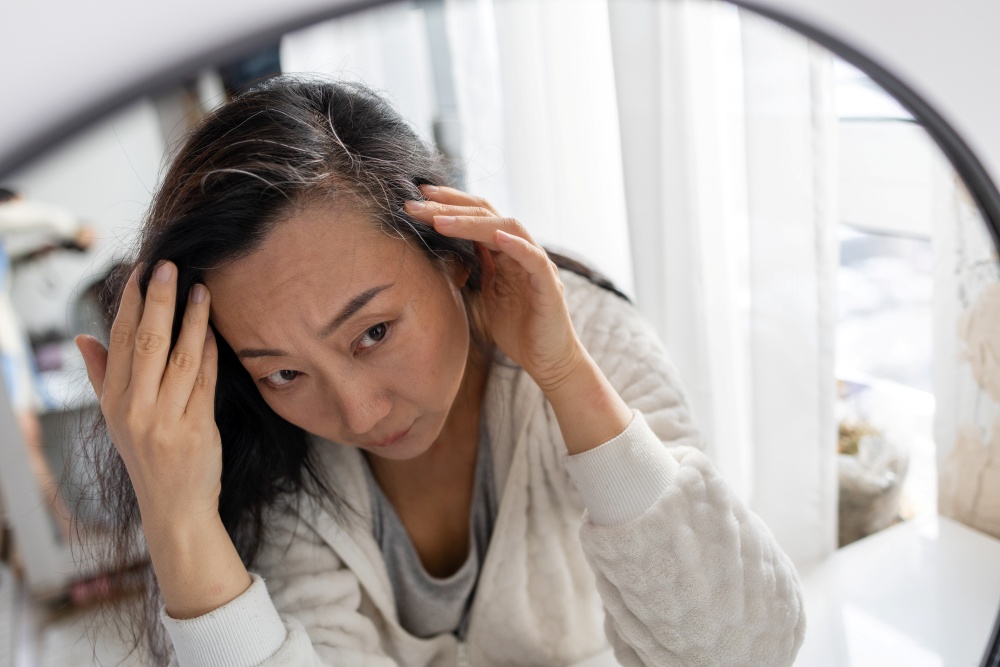
Over the longer term, transplanted hair generally follows a different pattern from native hair due to a principle known as donor dominance. Follicles taken from genetically stable areas at the back or sides of the scalp tend to retain their resistance to pattern hair loss even after relocation. That said, transplanted hair is not entirely immune to change. Thinning can still occur over time due to natural follicle ageing or technical factors during surgery. At the same time, native hair in untreated areas, such as the crown, may continue to thin if it is genetically predisposed.
Strategies to Maximise and Maintain Long-Lasting Results
Hair restoration also does not end when the procedure is over. Long-term outcomes are shaped by decisions made before surgery, the approach taken during it, and how consistently the scalp is cared for afterwards.
Timing the Procedure Correctly
When surgery is done too early, hair may be taken from areas that appear stable at the time but are actually destined to thin later. This can result in transplanted hair that does not last as expected. Looking at how your hair loss has progressed, and how it is likely to continue, helps align the procedure with long-term patterns rather than short-term appearance.
Selecting a Qualified Specialist
Decisions around donor area selection, graft distribution, and technique all influence how transplanted hair behaves over time. A well-trained surgeon will consider factors such as age, medical history, and future hair loss progression before recommending surgery, rather than treating the transplant as a one-off fix detached from what may happen later.
Adhering to Aftercare Guidelines
Once the procedure is complete, transplanted follicles need time to anchor securely, and ignoring post-operative guidance can undermine that process. While it may be tempting to resume normal routines quickly, following post-operative instructions supports recovery and gives transplanted hair the best chance to settle and grow as intended.
Considering Ongoing Hair Restoration Care
Hair restoration often works best when it is approached as an ongoing process since it is rarely a one-time event. At a hair transplant clinic in Singapore, consultations focus not only on transplanted areas but also on protecting existing native hair through appropriate hair growth treatment options. If you are worried about transplanted hair falling out after 2 years or shedding after a hair transplant, a consultation allows these concerns to be addressed within the context of your long-term hair loss pattern and goals.